The old tailcoat

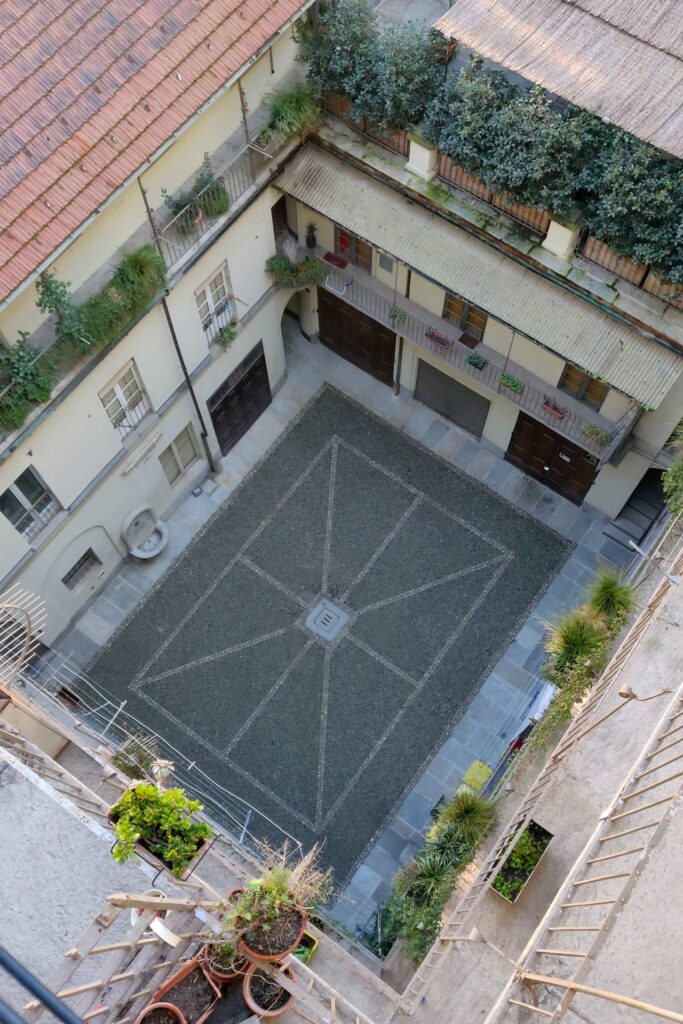
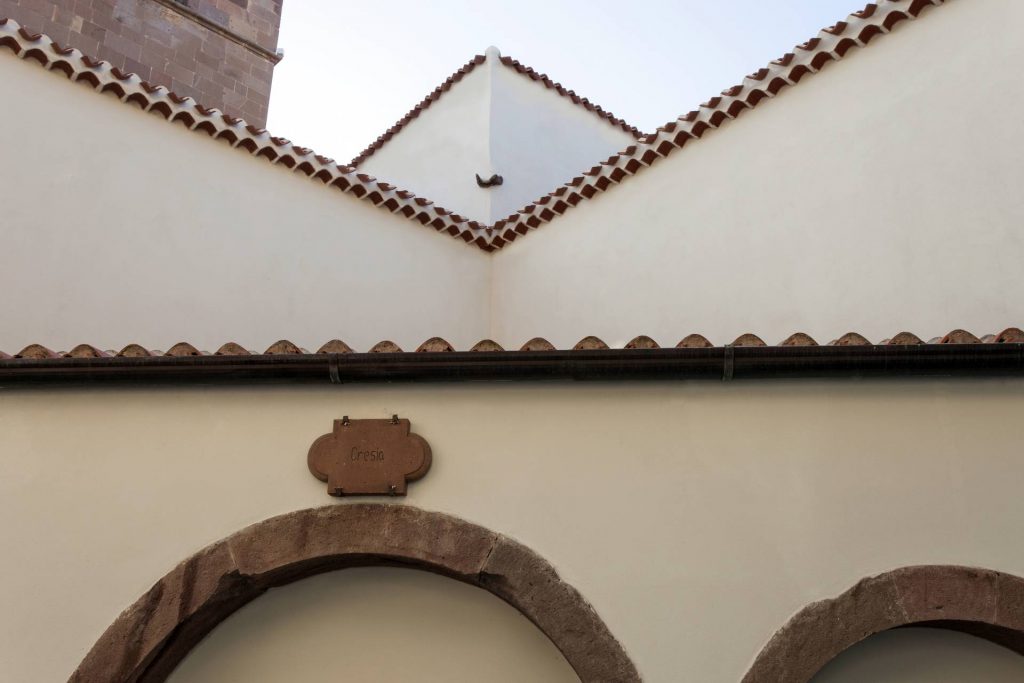
Stilò drew up the specifications and oversaw the renovation of the communal areas of this building, which is located a stone’s throw from Piazza Vittorio Veneto in Turin.

Imposing, austere and elegant without being ostentatious, the building required general maintenance after many years of neglect.

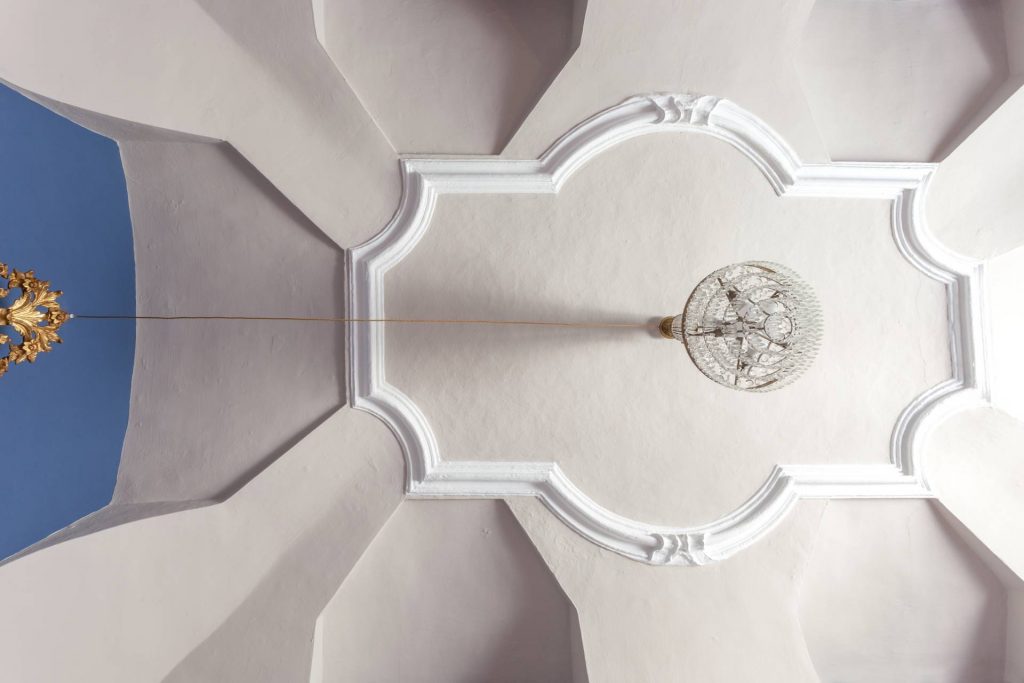
The project involved resurfacing the courtyard with river pebbles, repainting the entrance halls and staircases, repairing the roof, waterproofing and insulating the slate dormer windows. Metal gates were restored, lighting fixtures were replaced, and thermal insulation was installed on the entrance hall vault.

MDA Dome

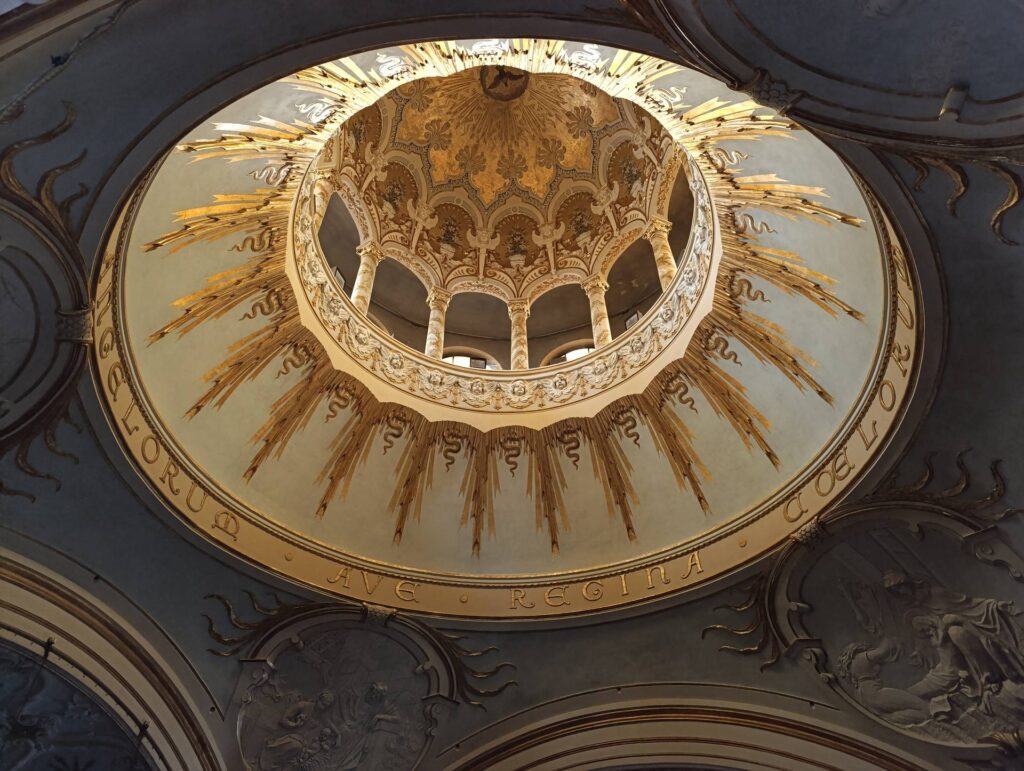
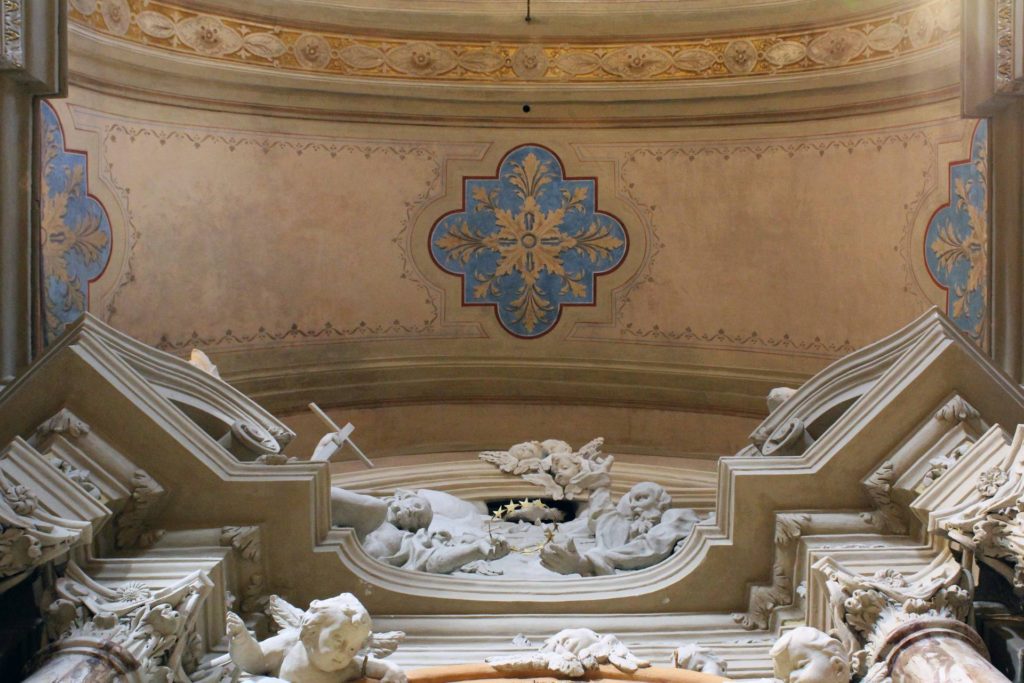
The dome of the Church of Madonna degli Angeli is one of the earliest examples of reinforced concrete in Turin, and is probably the first to be used in a religious building in Italy.

In 1901, Count Carlo Ceppi, an architect and urban planner, was commissioned to expand the church of Madonna degli Angeli. As well as working on the crypt, foundations, attic and facades, he also constructed the presbytery and bell tower.
Ceppi modified and integrated some of the existing structures with a material that had just been patented in Turin, demonstrating his great technical expertise, as well as his extraordinary curiosity and passion for construction.

In extending the building, he created a false transept crowned by a dome — a 20^(th)-century architectural element that was perfectly integrated into a 17^(th)-century context. It is dazzling in its richness of gilding and is enhanced by the spectacular use of zenithal light.

However, this apparent eclectic and neo-Baroque harmony conceals a complex technical challenge: on two lowered solid brick arches (visible only on the extrados, hidden inside the church), Ceppi laid a ‘sheet’ of reinforced concrete over 10 metres wide and 90 centimetres thick with a circular hole in the centre measuring approximately eight metres in diameter. On this unprecedented structure, the dome was hoisted -as if it were the most natural thing in the world! – complete with a colonnade and upper dome, all adorned with stucco, vaults, and bas-reliefs.

Restoration works
When in 2022 the plaster began to fall off and the cracks in the nails became a cause for concern, Stilò — with Andrea Negri providing structural solutions — designed and supervised the restoration and static consolidation project. This project aimed to reinforce and consolidate the false ceilings and decorative parts, and involved a group of restorers led by Roberto Palumbo, as well as the highly specialised workforce of the Sacco construction company.

All together, following in Ceppi’s footsteps.
Tailor-made

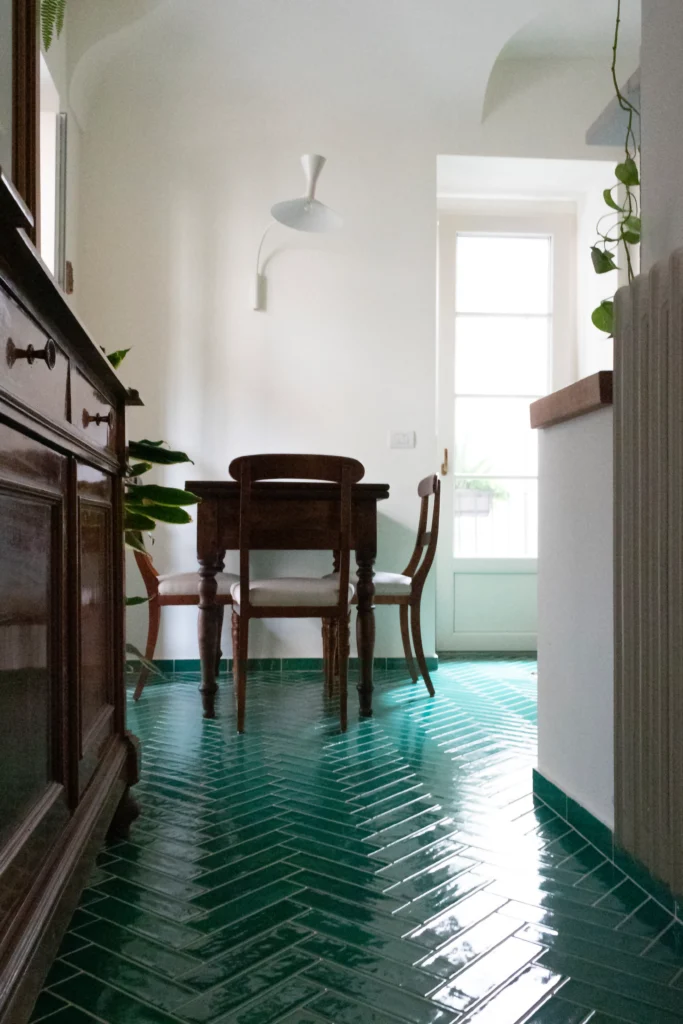
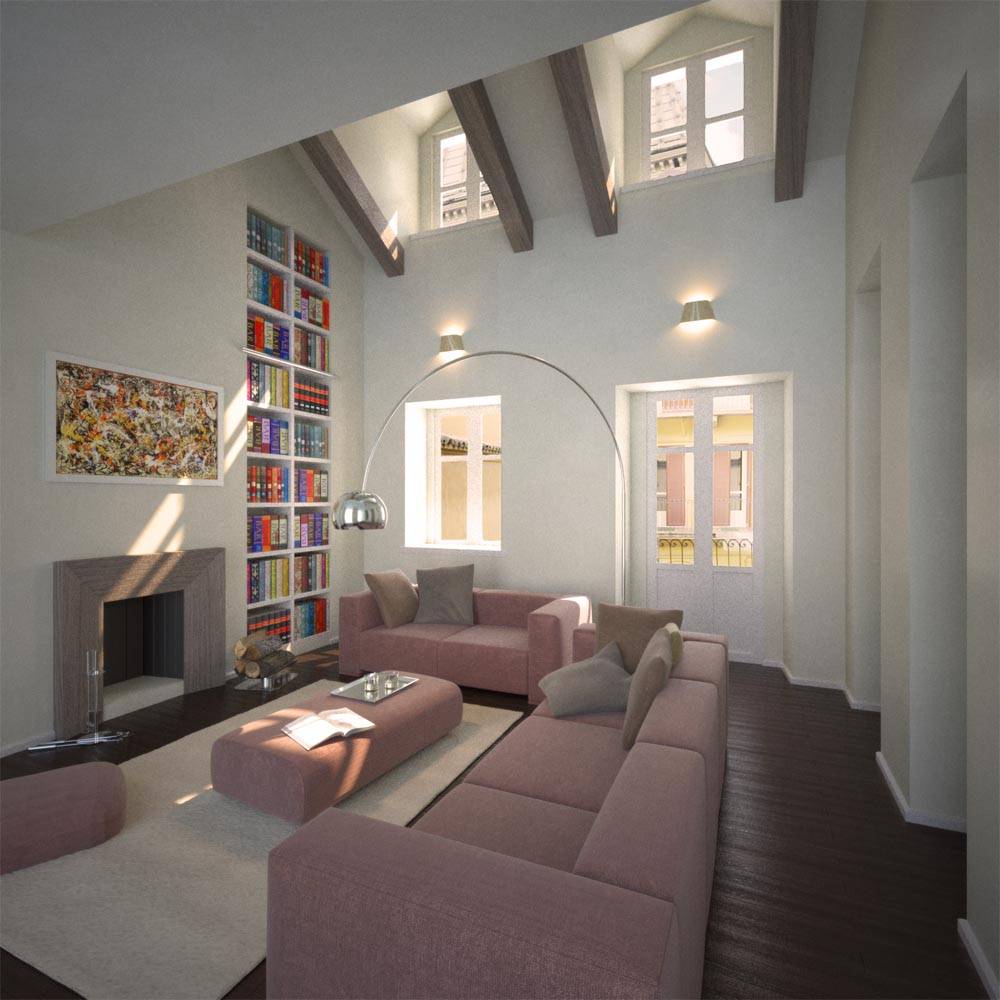
Stilò optimizes the spaces of the entrance by designing a very sober custom-made furniture, which enlightens, contains (all kind of stuff) and hides (the bathroom, which used to be right in front of the entrance).

In close collaboration with the owner, Stilò creates a kitchen in brickwork: full of sand, joy and nature, reminiscent of her travels in North Africa.

Coloured or neutral corners, full of sentimental objects or empty and ready to be filled with new life, complete the project.

Cocconato

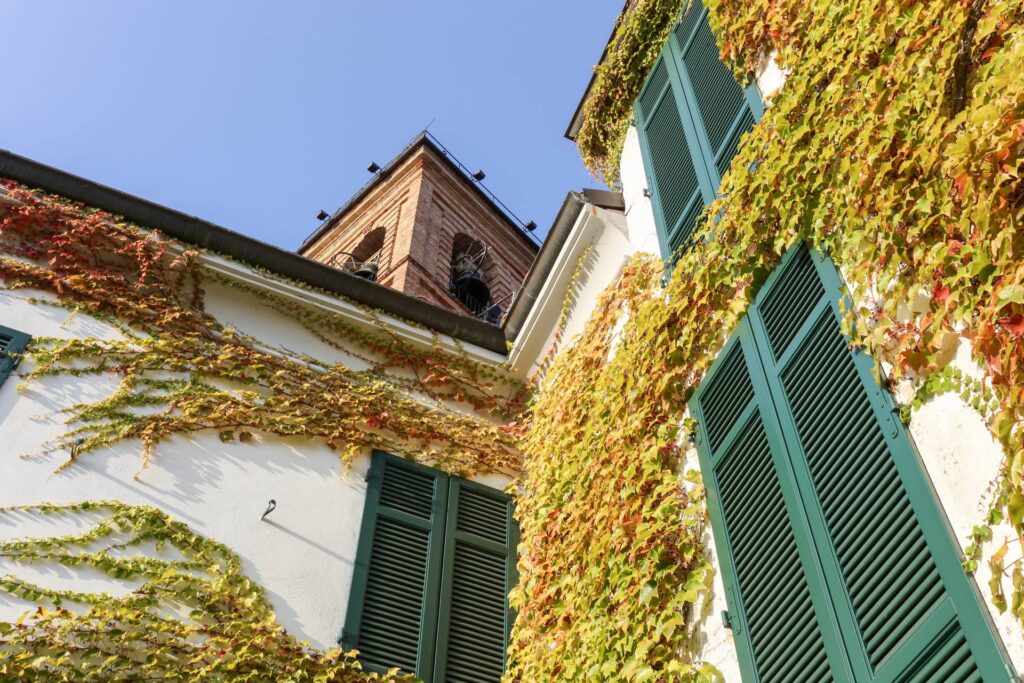
Stilò enters a charming family home nestled in the picturesque hills of Asti, where time has bestowed character in every corner.

Teaming up with the landlord, Stilò takes on the challenge of the 110% Superbonus, aimed at boosting the energy efficiency of a building that loses heat easily due to its old windows and layout.

The heating system was upgraded, and exterior maintenance, window replacement, and insulation were also carried out with precision, honoring the perfect synergy between technology and tradition.

San Pietro in Vincoli

An incredible building and artistic adventure, a restoration that touched every part of the building: roof, plants, pavements, distribution, decoration, furniture. An extraordinarily effective team effort involving the diocese administration, institutions, professionals, craftsmen, technicians, restorers and the local community.

Towards the rediscovery of beauty as community value.

Press articles about the works:

Intervista agli Arch. Antonello Loi e Cristina Marietta (Restauri d’Arte, marzo 2021)

Cavoretto, il restauro di San Pietro in Vincoli (Torino Oggi 27.02.2021)

Parroci sepolti in chiesa, scoperte due tombe del 1800 (La Stampa Torino, 12.02.2021)

Un progetto complesso che ha coinvolto tutti (Speciale La Voce e il Tempo, 10.10.2021)

Memorial do Convento

The restructuring involves some planimetric changes, aimed at creating spaces with a clear functional vocation. The generosity of the surfaces, the majesty of the original rooms and the beauty of the pieces do the rest, supported by discreet architectural solutions and quality.

Mare Nero - Stilò Architetti

Black sea

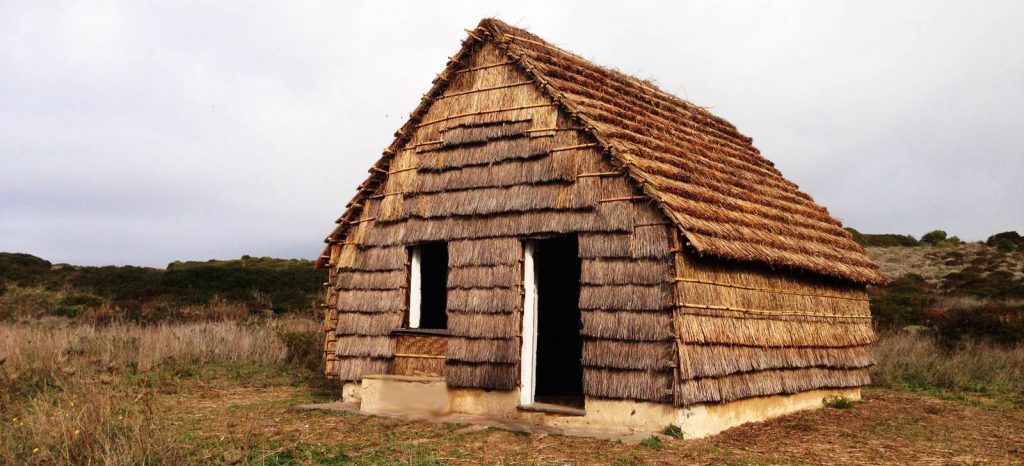
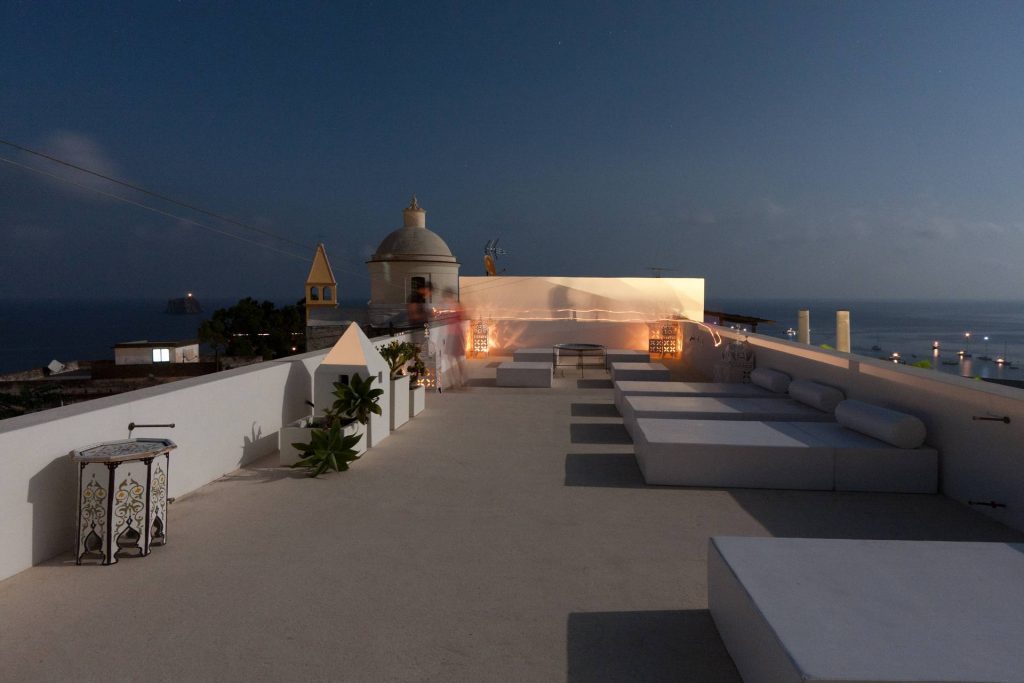
While outside the “bisuoli” in masonry are restored, the verandas in reeds are fixed, the fixtures are restored, the walls are rekindled with the typical white lime plaster, inside there are solutions for the minimum spaces, cared for with attention by the owner-stylist, who chooses fixed furniture exclusively black in honor of the lava origin of the island.
The floors are made of cement, according to tradition. The bathroom and kitchen coverings are in cementine, whose fantasy (in black and white) is specially designed and commissioned to a specialized factory. Ceramic switches control strictly black and white wicker chandeliers. The black sanitary fixtures also have modern lines, as does the tapware. The kitchen top, made of cement by local workers, has a tilt mechanism that allows access to a cellar behind, the door of which is camouflaged with the wall thanks to the careful laying of the coating.

San Sebastiano

The works start from the replacement of the cocciopesto roofing -made in recent times and cause of infiltration – with brick roofs according to the original conformation. The intervention also involves the masonry (new plaster and cleaning of the stone facades), the wooden windows (restored), the rose window (protected with a single additional crystal). Inside all the plasters are renewed, the ribs in stone cleaned, the flooring of the choir dismantled and rebuilt.

Mole - Stilò Architetti

Mole

A construction company buys a portion of the only block survived the bombing right in front of the Mole Antonelliana. The building is full of charm, having been until a few years ago, a workshop for students of the San Carlo schools, where they were trained craftsmen set designers, carpenters, decorators.

The market seems to suggest the transformation into small apartments, but the peculiarity of the location requires to explore another way.

The brochure we realized can be seen here.